

Liquefied Petroleum Gas (LPG), a key player in today’s energy landscape, offers a blend of versatility and efficiency unmatched by many other fuel sources. Predominantly comprising propane and butane, LPG emerges as a byproduct during natural gas processing and petroleum refining. Its remarkable ability to exist in liquid form when moderately pressurized makes it an exceptional choice for various applications, including domestic cooking, central heating, and as an eco-friendly automotive fuel. This portability and convenience position LPG as a preferred energy solution, especially in areas without access to piped natural gas. Moreover, LPG’s clean-burning nature underscores its role in reducing carbon emissions, aligning with global environmental sustainability goals. Understanding what LPG is forms the foundation for appreciating its significant role in both residential and industrial sectors, shaping the way we utilize energy in our daily lives.
The Composition of LPG: Propane, Butane, and Beyond

The composition of Liquefied Petroleum Gas (LPG) is a fascinating blend that primarily includes propane and butane, two hydrocarbons known for their energy-rich properties. This composition can vary slightly depending on the source of the gas and its intended application, providing flexibility in its use. Propane, with its lower boiling point, is ideal for colder climates as it remains in gaseous form at lower temperatures, making it a reliable fuel for heating and cooking. Butane, on the other hand, suits warmer climates better due to its higher boiling point. Sometimes, LPG contains other hydrocarbons like isobutane and propylene, adding to its versatility. This dynamic composition not only influences LPG’s physical properties like boiling point and energy content but also determines its suitability for different appliances and environments. By understanding the unique characteristics of LPG’s components, users can optimize its use across various settings, from industrial applications to household needs, ensuring efficiency and effectiveness in energy utilization.
The Color and Odor of LPG: Key Indicators
In its natural state, Liquefied Petroleum Gas (LPG) is colorless and odorless, a characteristic that poses a challenge in detecting leaks. To address this, a distinctive odorant, typically ethanethiol, is added, imparting a strong, easily identifiable smell to the gas. This critical safety measure ensures that even the slightest leakage can be promptly detected, preventing potential hazards. The addition of this odorant is a testament to the safety standards governing LPG usage. Moreover, this aspect of LPG underscores the importance of sensory detection in maintaining safety in environments where LPG is stored or used. Understanding the odorized nature of LPG is crucial for users, enabling them to quickly recognize and respond to leaks. This focus on safety, combined with LPG’s clean-burning properties, reinforces its status as a preferred choice for residential and commercial energy needs.
Understanding the Density and Pressure of LPG
The density and pressure of Liquefied Petroleum Gas (LPG) are pivotal factors that influence its storage, transport, and usage. LPG is denser than air, meaning in case of a leak, it tends to settle in low-lying areas, creating potential safety risks. This characteristic necessitates strategic placement of LPG storage facilities, ensuring they are well-ventilated and away from ignition sources. Additionally, the pressure of LPG is a key consideration. In its liquefied state, LPG is stored under pressure in cylinders or tanks. This pressurization allows for a large quantity of gas to be stored in a relatively small volume, enhancing its portability and convenience. The behavior of LPG under varying temperature and pressure conditions also dictates the design and material of LPG containers, ensuring they can withstand these variables without compromising safety. Understanding these physical properties of LPG is crucial for users and professionals in the industry, as it directly impacts handling practices and safety protocols. These considerations also highlight the advanced engineering behind LPG systems, aligning with the industry’s commitment to safety and efficiency.
The Flammability of LPG: Necessary Safety Protocols
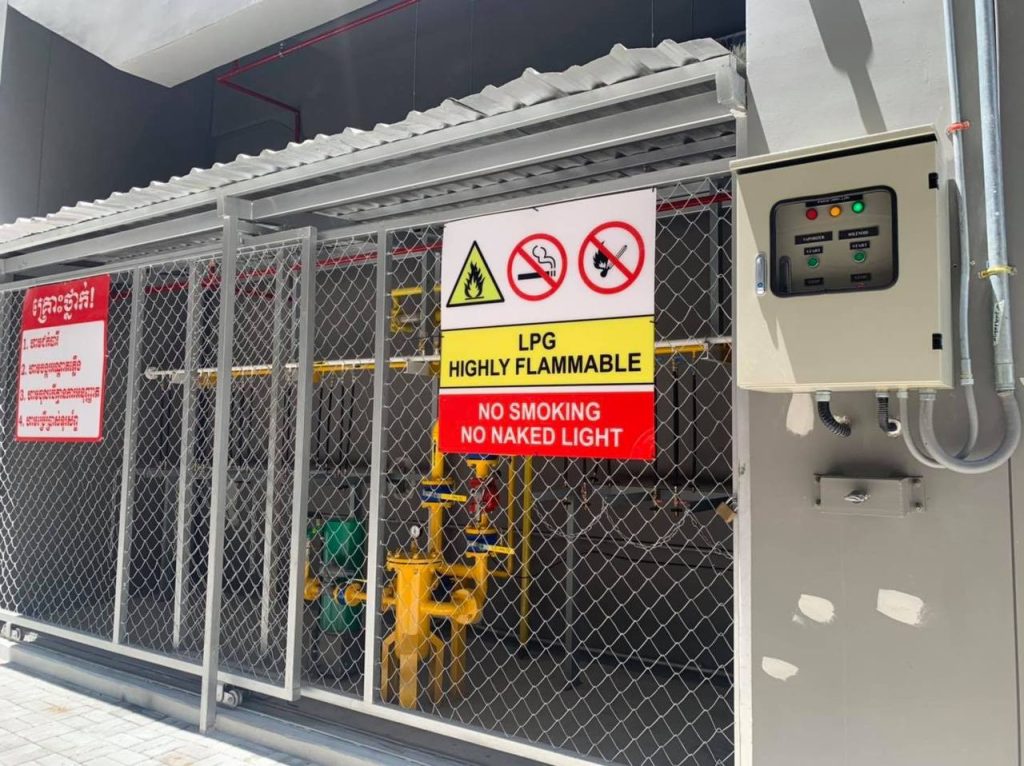
The high flammability of Liquefied Petroleum Gas (LPG) necessitates stringent safety protocols to mitigate potential risks. Being highly combustible, LPG requires careful handling and storage to prevent accidents. Key safety measures include ensuring proper ventilation in areas where LPG is used or stored, as LPG can accumulate and pose a risk of explosion if ignited. Regular maintenance and inspection of LPG appliances and systems are critical to prevent gas leaks. Users should also be educated about the proper operation of LPG equipment and the immediate actions to take in case of a suspected leak, such as turning off the main gas supply and avoiding any actions that could create a spark. Additionally, installations and repairs should only be conducted by certified professionals to ensure compliance with safety standards. These protocols are not only vital for individual safety but also for community safety, highlighting the need for ongoing awareness and education about LPG’s flammability and the corresponding safety measures.
Handling LPG: Best Practices for Prevention and Protection
Effective handling of Liquefied Petroleum Gas (LPG) is paramount in ensuring safety and preventing accidents. This involves several best practices, starting from the correct transportation and storage of LPG cylinders. Cylinders should be stored upright in a well-ventilated area, away from direct sunlight and sources of heat. The integrity of LPG containers and associated equipment, such as hoses and regulators, should be routinely checked for any signs of wear and tear or damage. It’s also crucial to follow manufacturer guidelines for the installation and maintenance of LPG appliances. Educating users on how to correctly connect and disconnect cylinders, and the importance of using LPG-specific equipment, further enhances safety. Additionally, awareness about the correct course of action in case of a gas leak – such as not operating electrical switches and immediately informing the relevant authorities – is essential. Adhering to these best practices ensures the safe and efficient use of LPG, safeguarding users and the environment from potential hazards.
Managing LPG Leaks and Fires: A Step-by-Step Guide
Responding effectively to LPG leaks and fires is critical in minimizing risks and ensuring safety. In the event of an LPG leak, the first step is to immediately shut off the main gas valve to stop the flow of gas. It’s crucial to avoid any potential ignition sources, such as flames, electrical switches, or mobile phones, in the vicinity of the leak. The area should be ventilated by opening windows and doors to disperse the gas. If the gas smell persists or if you hear a hissing sound, it’s essential to evacuate the area and contact emergency services promptly. In case of an LPG fire, using a dry powder or CO2 fire extinguisher is recommended, but only if it’s safe to do so. If the fire is uncontrollable, the priority should be to evacuate immediately and call for professional firefighting assistance. These steps emphasize the importance of quick and appropriate actions in emergency situations involving LPG, underlining the need for regular training and awareness programs on LPG safety and emergency response procedures.
Emergency Preparedness: Tools and Techniques
Proactive emergency preparedness is essential in mitigating the risks associated with Liquefied Petroleum Gas (LPG). This involves equipping homes and facilities with the right tools, such as gas detectors, fire extinguishers (specifically dry powder or CO2 types), and emergency shut-off valves. Regular emergency drills and training sessions can significantly enhance the readiness of individuals to respond effectively in case of an LPG incident. It’s also vital to have a clear and well-communicated evacuation plan in place, especially in areas where LPG is heavily used. Awareness and education about first aid measures for burns and inhalation injuries are equally important. These preparedness techniques not only provide a framework for swift and efficient response during emergencies but also instill a culture of safety and vigilance among users and professionals dealing with LPG. Such comprehensive emergency preparedness underscores the commitment to minimizing risks and safeguarding lives and property in the context of LPG usage.
Summarizing the Importance of LPG Safety and Awareness
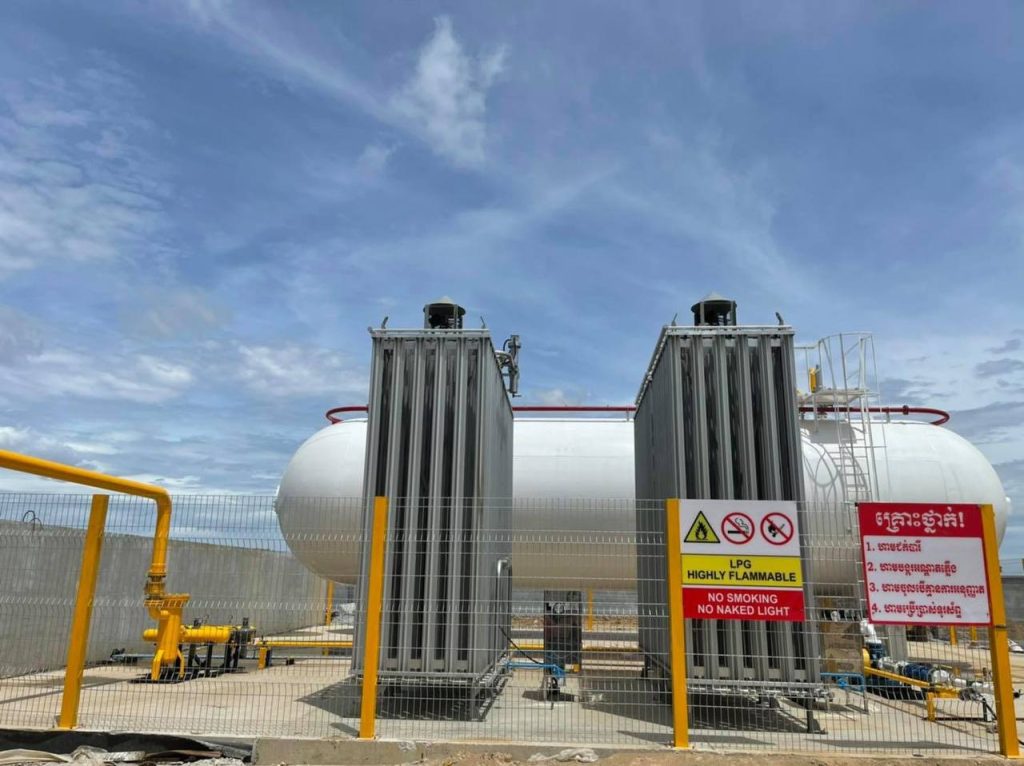
In conclusion, while Liquefied Petroleum Gas (LPG) is an efficient and versatile energy source, its safe usage hinges on a thorough understanding and implementation of safety measures. The importance of being well-informed about LPG’s properties, such as its flammability, density, and the need for proper storage and handling, cannot be overstated. Regular safety checks, adherence to best practices, and prompt response to emergencies are the cornerstones of safe LPG usage. Moreover, ongoing education and awareness campaigns play a pivotal role in ensuring that both individual users and the community at large are prepared to handle LPG safely. This holistic approach to LPG safety not only prevents accidents and saves lives but also contributes to the responsible and sustainable use of this valuable resource. As we continue to rely on LPG for various applications, fostering a culture of safety and awareness becomes an integral part of our collective responsibility towards a safer, more efficient energy future.